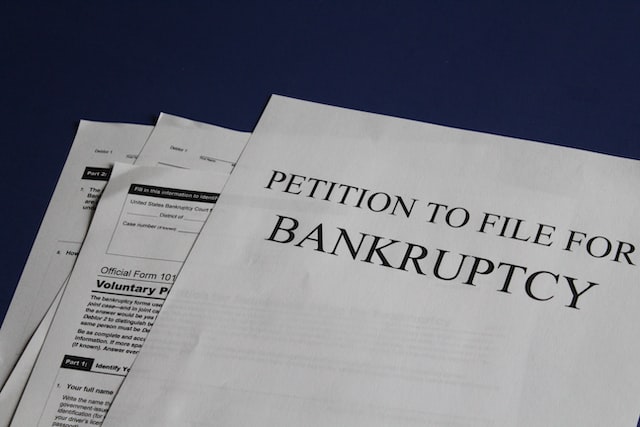

Filing for bankruptcy can be an overwhelming process, and often leaves those considering filing with an overwhelming number of questions. One of the most common questions people have prior to declaring bankruptcy is whether or not they will have to report every debt in their name. The following blog explores what you should know about this matter, including the importance of working with Columbus Chapter 7 bankruptcy lawyers to help you navigate this process so you can reap the full benefits of this process without worrying about what happens if you forget to include a debt.
Do I Need to List All Debts During Chapter 7?
When filing for bankruptcy, many people assume that they can leave out debts so long as they keep paying them. However, this is far from the truth, as you’ll find that failure to include all debts when filing can cause considerable issues for you during the bankruptcy process.
Chapter 7 bankruptcy requires a full list of debts for transparency. Not only does this ensure that all creditors are treated fairly, as you will be unable to pick and choose what debts you seek to discharge through bankruptcy, as well as preventing fraud from occurring.
Unfortunately, the primary reason many omit certain debts from their filing is that they wish to continue paying them. This is often the case regarding personal loans from family members, car loans they wish to keep, or debts that have a co-signer. However, it’s critical to understand that you can still choose to repay a debt following a Chapter 7 bankruptcy case. This process is known as reaffirmation. Essentially, reaffirming the debt tells the creditor that you will continue paying it, and thus, you reassume the legal obligation to continue paying these debts. This allows you to ensure that a co-signer won’t face financial repercussions and helps you retain important property that would otherwise be seized during bankruptcy.
What Happens if I Forget to Include a Debt?
The intentional omission of assets from a bankruptcy case can have serious consequences, whether intentional or not.
Typically, if you fail to include a debt, you’ll find that you may not receive a discharge for the unlisted debt, but you can also be accused of fraud. Unfortunately, when you omit a debt during bankruptcy, you’ll find that the court and the creditor have the ability to claim that the act was fraudulent, even if it was unintentional. As such, taking the time to ensure that you’ve listed all debts and liabilities in your case is imperative. If the court agrees that you have committed bankruptcy fraud, your case can be dismissed, meaning you will not reap the benefits of this process, and you generally will be barred from re-filing for a considerable amount of time.
If you are worried about the accidental omission of a debt during bankruptcy, it’s imperative to ensure you connect with an experienced attorney with Cousino & Weinzimmer LLC. Our team will walk you through this process so you can fight for the best possible outcome for your circumstances. When you need help, do not hesitate to contact us today.