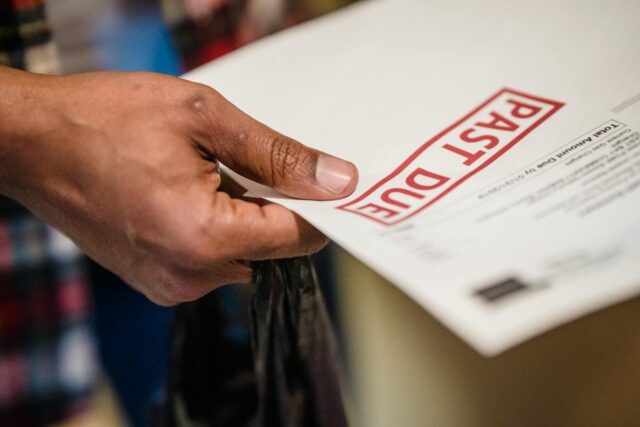

For many individuals, filing for bankruptcy is a bittersweet situation. It can be incredibly beneficial in reducing debt and resetting finances, but the process itself can be overwhelming. Not only will your credit take a significant hit, but you may worry about what will happen to your personal property, especially during Chapter 7. As such, if you are unsure what to expect, the following blog explores what you should know about these matters, including why it is in your best interest to work with Columbus Chapter 7 bankruptcy lawyers to help you navigate these difficult times.
What Is Chapter 7 Bankruptcy?
Chapter 7 bankruptcy is an option that allows those in debt who meet certain income requirements to liquidate their assets to repay their debts. A bankruptcy trustee will be assigned to your case and is responsible for reviewing your property, determining exemptions, and seizing property to sell. The funds generated will then be used to repay creditors. This is generally one of the faster bankruptcy options, as it only takes an average of six months before the case is closed and the remaining eligible debts are discharged.
Will I Lose My Personal Property?
As the liquidation of assets is the basis of Chapter 7, you may worry that all of your assets, including your personal property like furniture, appliances, and clothing, will be seized and sold. However, it’s important to understand that these assets are generally protected under Ohio’s exemptions. These allow you to leave property out of your bankruptcy estate based on the value of the assets. For example, you can protect furniture valued at up to $700 per item, with a total exemption of up to $14,875. You are also eligible to protect jewelry valued up to $1,875, and even items used for work are exempt up to $2,825.
The courts understand that these assets are typically necessary for comfort and habitation, so they can be excluded from your bankruptcy estate using Ohio’s state exemptions. However, luxury goods and collections may not be protected. As such, if you have an extensive designer handbag collection, these can be seized to repay creditors, whereas your everyday wardrobe will be protected.
What Happens to Property that Is Not Exempt?
If you have non-exempt property as part of your bankruptcy estate, you’ll find that the trustee can seize the property and sell it. However, some trustees will negotiate “buy-backs” in which you pay the value of the item or pay the value of the non-exempt portion of the property. In some instances, you can use post-bankruptcy funds or a loan from a family member to fund the purchase. In some instances, the trustee may agree to a repayment plan. Trustees often agree to this option because it can help them save time preparing, marketing, and selling the seized property.
If you are considering filing for bankruptcy, working with an experienced attorney to help you navigate these matters is critical. At Cousino & Wienzimmer, our team understands how overwhelming and complex these matters are, which is why we are committed to helping guide you through this process to fight for the best possible outcome for your circumstances. When you need help, our team is here. Contact us today to learn how we can represent you.